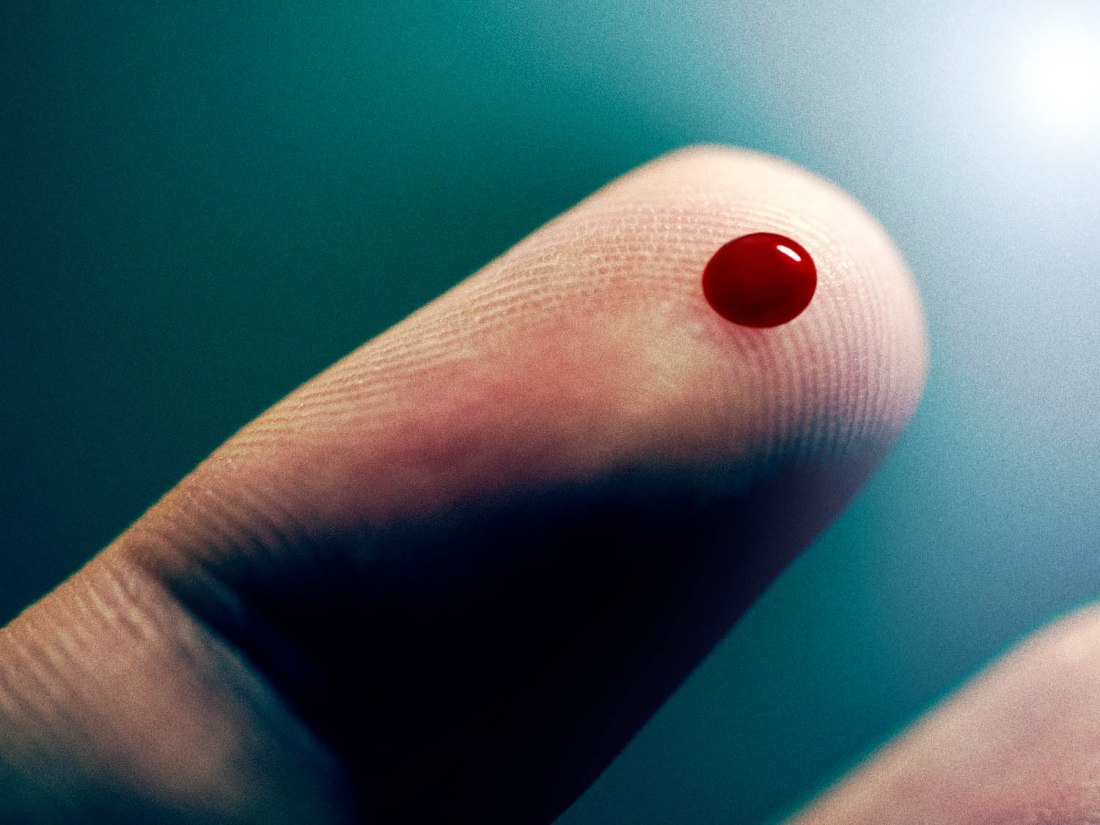
Hemophobia : The Fear Of Blood

What is it?

Hemophobia is simply the term used for the fear of blood. It falls under the category of “specific phobia” with the specifier of Blood-Injection-Injury (BII) phobia in the new edition of the Diagnostic Statistical Manual Of Mental Disorders (DSM-5 ).

Feeling uncomfortable or uneasy while seeing blood is not hemophobia, it is rather an extreme fear of seeing blood, getting injected etc.

Symptoms of Hemophobia

These are categorized into two types-

  • Physical Symptoms
  • Rise in heart beating rate
  • Sweating
  • Trembling or shaking
  • Nausea
  • Lightheadedness
  • Mental Symptoms
  • Extreme anxiety and panic
  • Extreme want to escape from the site where blood is involved
  • Feeling of fainting

Causes of Hemophobia

Hemophobia is commonly associated with other phobias, especially Trypanophobia i.e. the fear of needles and also the fear of doctors or surgeons as their both involves spilling of blood.

Also health phobias such as fear of germs, the sight of someone else’s blood may trigger the fear of catching a disease. Hemophobia may also be a result of past experiences such as massive blood loss due to a serious injury.

Treatment  

The treatment of hemophobia is not always necessary but it may become if its giving you extreme panic attacks,  severe anxiety etc. Also it becomes necessary as you may avoid visiting doctors for a checkup due to which you may not will be able to identify diseases and other threats to your health.

Treatment involves the following therapies-

  1. Exposure Therapy – This therapy involves directly facing your fears or exposing yourself to your fear on an ongoing basis. This proves to be a very effective approach for dealing with your fears.
  2. Cognitive Therapy – This involves the philosophy of replacing your anxiety with realistic thoughts of what may happen during face off with blood.
  3. Medication – Medication and relaxation allows one to calm their senses, body and mind and think in positive manner regarding dealing with your fears.
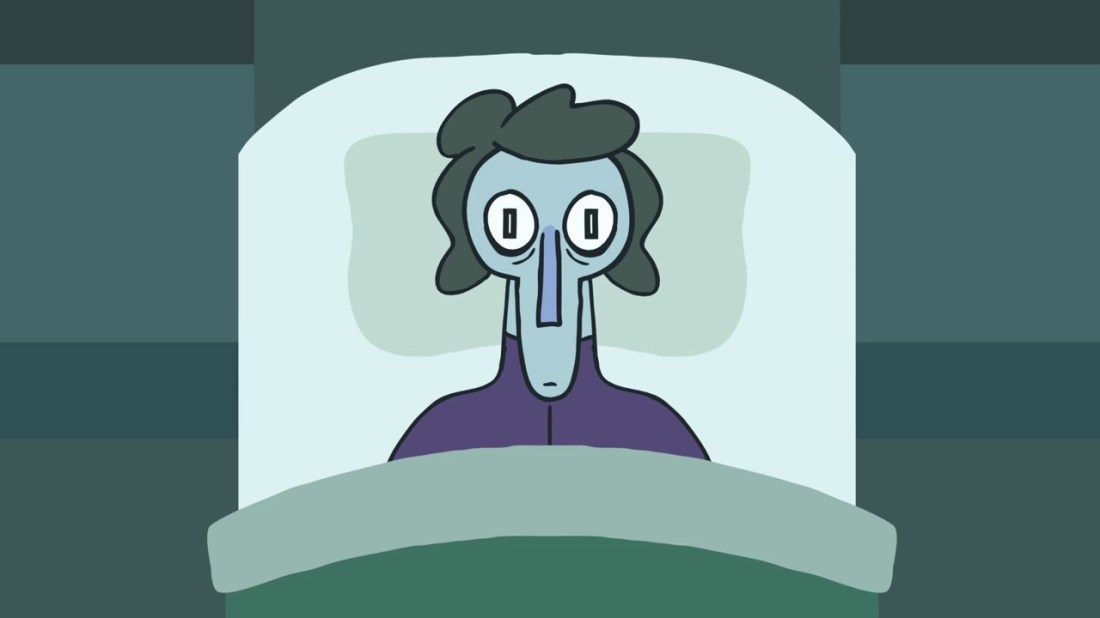
Sleep Paralysis : The Real Horror Story

What it is?

Sleep paralysis is a condition of being awake but not able to do anything. This includes not able to move any limb or even make a sounds. This is categorized as a sleep disorder.

It occurs when you get stuck in between the transition from being awake to sleep. Thus, the patient feels he is experiencing a nightmare while being awake and also he can’t do anything about it.

What causes sleep paralysis?

Sleep paralysis is way more common than you expect it to be. It is a common problem in teenagers but people of any age can experience it. Studies show that 4 out of 10 people have or had sleep paralysis.

Other than being a genetic problem, the following also contribute to it-

  • Lack of sleep
  • Stress and other mental conditions
  • Drug Abuse
  • Other sleeping problems such as narcolepsy etc.

Sleep paralysis & hallucinations

Hallucinations are the reason why sleep paralysis is seen as a very terrifying sleep disorders. You may be see a terrifying shadowy figure sitting or standing right next to you, you want to run away or scream but you can’t.

These are categorized into 3 types –

  • Intruder Hallucination – In this you sense an evil presence or a person.
  • Incubus Hallucination – In this you feel pressure on your body making you uncomfortable or even make you feel pain. The word “Incubus” here is derived from the Incubus demon that threatens a person while they are sleeping.
  • Vestibular motor hallucination – In this the person may feel like he/she is floating in the air or as if they soul have left their body.

Treatment & Prevention

Unfortunately there is no as such treatment for sleep paralysis but one can follow certain steps to prevent sleep paralysis from taking place again –

  • Consulting a therapist, for help regarding mental health problems.
  • Making sure you get at least 6 to 8 hours of sleep.
  • Trying to ensure a non-disruptive sleep i.e waking up repeatedly at night.
  • Avoiding sleeping on your back, as studies shows that it may induce sleep paralysis.
  • Avoiding over drinking habits of alcohol and caffeine.
  • Meditation and exercise.